
|
NPDataLoggerDigital Data Logger System |
 |
IntroductionThe NPDataLogger unit is a small, low cost, solid state intelligent digital input data logger unit used to acquire and store digital information from a range of input modules. The unit can record data internally or broadcast information in real time across industry standard Ethernet networks. The unit utilises a fully integrated UNIX operating system to perform multi-tasking operations and to control all communication operations. The NPDataLogger is a small low cost unit that can also be easily incorporated into most standard networks. Its data can be gathered by the Industry standard FTP data transfer program readily supplied as part of most modern operating systems such as Microsoft Windows, UNIX and Linux. |
Utility Metering - Water Gas & Electricity |
Features |
|
The NPDataLogger unit is ideally suited to applications such as the monitoring of information from utility meters such as those used to measure the supply of electricity, water and gas. Information from the meters in the form of pulses can be collated and stored in the logger for transmission in real time, or downloaded upon request to a host computer. Data can be passed automatically to databases etc. The logger connects directly onto most Ethernet systems and operates just like any other peripheral device. The low cost of the unit enables several loggers to be placed around a site and connected to the meters no matter where they are located. The logger unit is programmable and is controlled by the Linux operating system. Applications software can be developed and easily installed to run automatically on to the Flash Disk file system. It is possible to program the logger to calculate utility costs and report these values automatically to a user or application program. |
|
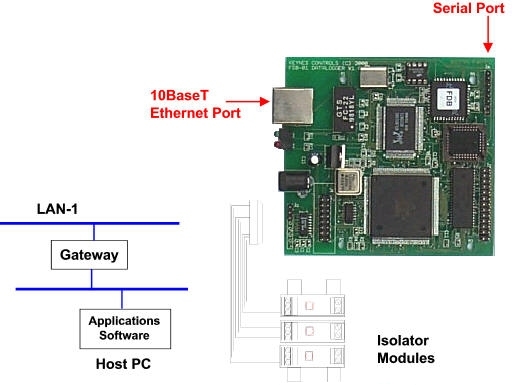
Alarm MonitoringThe logger unit can be connected to most types of digital interfaces, either directly using the digital input ports or via a series of isolator modules when added protection is required. RS232 to Ethernet ConversionThe use of the logger serial and Ethernet ports enables data conversion from RS-232 ports to Ethernet to be carried out. The logger can be programmed to receive and transmit any control signals to any serial port device using its stored applications programs. Specifications
|
 |
 |
Technical SpecificationsPower Supply :
|
||||||||||||||||||||||||||||||||||||||||||||||||||||||||||||||||||||||||||||||||||||||||||||||||||||||||||||||||
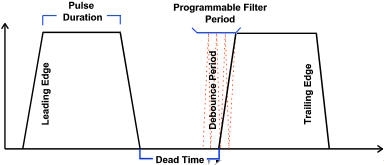
Digital Signal OperationsThe logger is very flexible in its operations. It can count the total number of incoming pulses arriving at any of its ports, detect pulse rising and trailing edges for alarm monitoring applications and examine pulse trains for extract of digital sensor information. Using the loggers isolated power supplies it is possible to connect and operate solid state opto-couplers as well as mechanical relay systems. The logger can be used to count the number of times contacts close or open. Data File FormatThe NPDataLogger utilises time-stamped comma separated variable (CSV) file format to store data within the internal data files. Example 21/2/04, 16:00, 100, 10,23,45 Note the Comma delimiter between channels. Part Numbers
|
Internal Data File SystemThe NPDataLogger utilises flash memory to store data so should power be accidently removed then all data is maintained. The NPDataLogger will resume operations automatically once it is restarted. |
||||||||||||||||||||||||||||||||||||||||||||||||||||||||||||||||||||||||||||||||||||||||||||||||||||||||||||||||
|
The NPDataLogger is a very simple low cost device that enables digital pulse data to be logged and downloaded across a network. The unit runs the Linux operating system and so supports direct connection for FTP data downloads across local area networks and/or the Internet. The FTP software is an industry standard data transfer program that is supplied free with most operating systems. As long as the NPDataLogger network is suitably configured and access to the Internet can be gained through a local gateway, then data from the instruments can be gathered using a data server simply and automatically. The Windows and UNIX operating systems utilise a Scheduler to automate tasks. Both the Windows and UNIX scheduler programs can automate tasks to run within a specified minute of a scheduled event. |
This scheduler can run the FTP data download software to gather data from any number of units at any specified time. Since the internal data file structure is comma separated then information can be processed directly within spreadsheets such as Excel and Lotus 123. Example below shows a DOS command script to download data from 2 units across a local network or Internet using the file datadownload.ftp to select the correct time stamped file to be extracted. The script file also disconnects the remote ftp data connection after the file transfer is completed. ftp - s datadownload.ftp
192.12.101.63 |
 |
 |